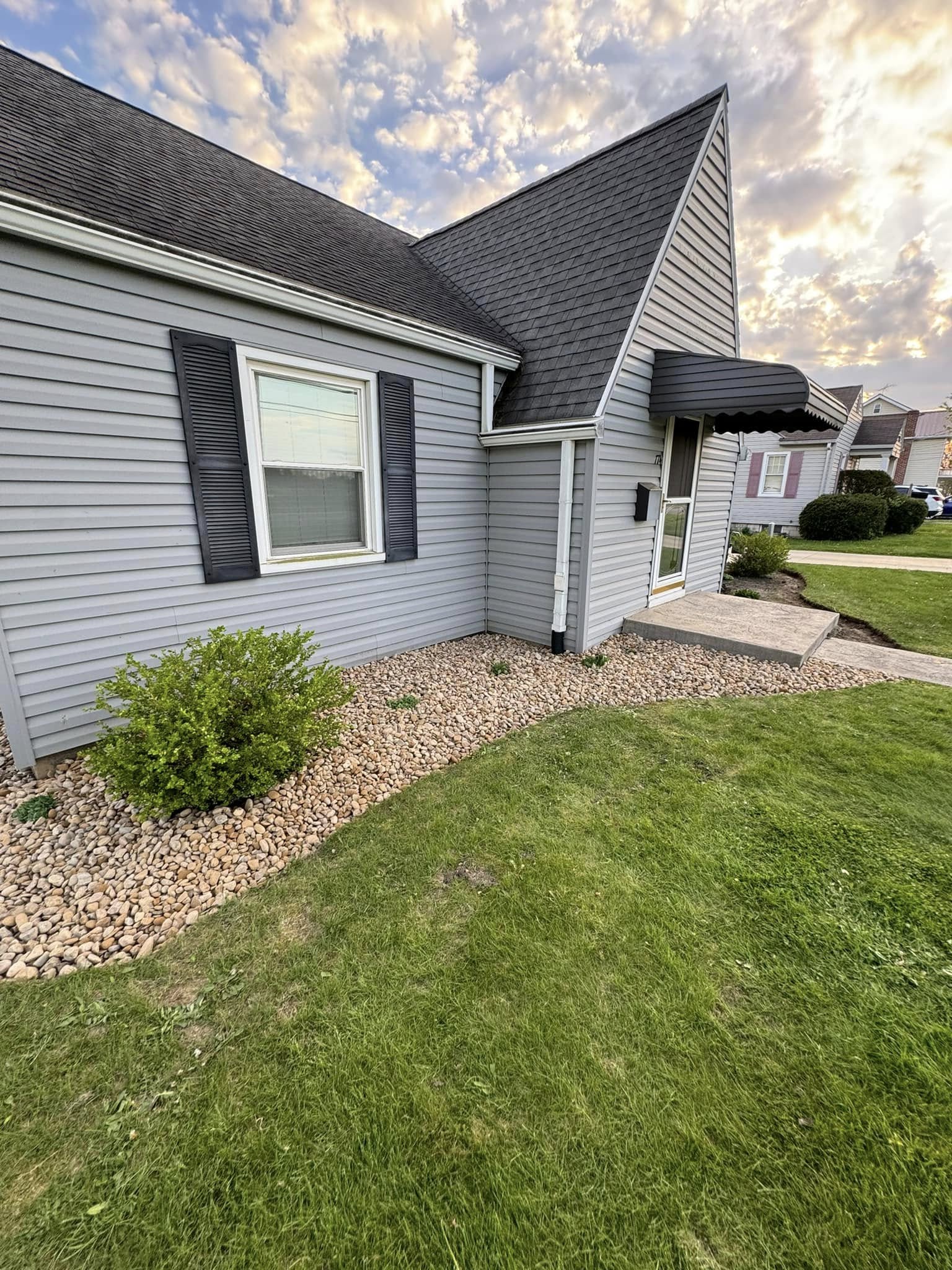
Exploring Landscape Geometry: Utilizing Shapes and Patterns in Garden Design Mar 02, 2026
Begin by considering the fundamental shapes that resonate with your vision. Circles, squares, and triangles are the building blocks of any garden design and serve as the foundation for creating harmonious landscapes. Circles can introduce a sense of infinity and unity, making them ideal for creating focal points like round flower beds or circular patios. Squares and rectangles, on the other hand, bring order and symmetry, perfect for structured garden paths or raised flower beds.
Patterns play an integral role in guiding the eye and providing interest. Think about how combining different geometric shapes can form patterns that not only look appealing but also serve a purpose. For instance, a checkerboard layout using alternating tiles or plants can add a playful character to a pathway, encouraging exploration.
Incorporating repetition and rhythm is also vital in landscape geometry. Repeating certain shapes throughout your garden can create a sense of continuity. Consider planting the same types of shrubs or flowers in a linear pattern to guide the visitor’s gaze gently through the space. Furthermore, utilizing rhythm through varied heights and textures adds depth and dimension to your garden, making it more inviting.
Additionally, using the concept of scale and proportion helps in creating balance within your landscape. Larger elements should be offset by smaller details to avoid overwhelming the senses. For example, if you have a large circular centerpiece, balance it with smaller, similarly shaped flowerbeds or decorative stones. This approach ensures that each element complements the others, creating a cohesive and inviting design.
Color also becomes a powerful tool when paired with geometric designs. Use color strategically to highlight particular shapes or areas in your garden. Brightly colored blooms can accentuate circular patterns, while neutral tones might help in softening the presence of rigid shapes. Playing with shades and tints within your color palette can further delineate spaces and improve navigational flow.
One practical tip from McKenzie’s Landscaping LLC is to start small when introducing geometry into your landscape design. Begin with a particular area of your garden, experiment with different shapes and patterns, and observe how sunlight and shadows interact with your designs throughout the day. This process allows you to adjust and refine your approach before implementing it on a larger scale.
In conclusion, integrating shapes and patterns into your landscape design not only enhances the visual interest of your garden but also provides a functional framework. By thoughtfully considering factors such as shape, pattern, repetition, balance, and color, you can transform your outdoor area into a masterpiece of artful planning and natural beauty. Should you require personalized assistance in bringing your vision to life, McKenzie’s Landscaping LLC is dedicated to helping you every step of the way, ensuring your garden becomes a rich tapestry of geometric elegance.
/filters:no_upscale()/filters:format(webp)/media/c1ac1d2b-5266-4dc0-8786-f32043e6b7d2.jpeg)
/filters:no_upscale()/filters:format(webp)/media/230704d6-5123-4870-9ff5-40f0e093a373.jpeg)